


4jl | Exploring the Engaging World of Simulation Games: Key Insights and Trends
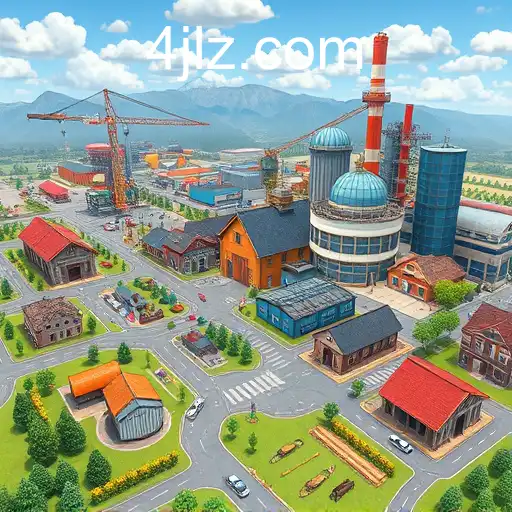
Simulation games have carved a special niche in the gaming world, inviting players to build, manage, and experiment within meticulously crafted virtual environments. Standing out for their interactive storytelling and the creative freedom they provide, these games appeal to a broad range of players looking for both entertainment and a sandbox for experimentation.
At the heart of simulation games is the promise of control and creativity. Whether players are developing a bustling city in games like 'Cities: Skylines' or managing a sprawling farm in 'Stardew Valley', the emphasis is on strategy and decision-making. These games allow players to step into different roles, from being a wildlife park manager in 'Planet Zoo' to experiencing life as a pilot in 'Microsoft Flight Simulator'. This versatility engages a diverse audience, offering experiences that can be as relaxing or as challenging as the players desire.
The genre's growth has been fueled by advancements in technology, enabling developers to create more realistic and detailed environments. With VR and AR technologies, the line between the virtual and the real is increasingly blurred, offering an even more immersive experience. The accessibility of these games has also increased, with mobile adaptations allowing gamers to engage with their virtual worlds on-the-go.
Furthermore, simulation games often foster a strong community aspect. Players share stories, strategies, and mods, extending the life of a game beyond its initial release. This community involvement not only enriches the gameplay experience but also encourages developers to evolve games according to player feedback and trends.
In recent years, educational uses of simulation games have become more prominent. Educators are leveraging their interactive and engaging nature to teach complex subjects in fields such as science, history, and social studies. This educational angle highlights the potential of simulation games as tools beyond entertainment, contributing to learning and personal development.
As we look to the future, the simulation genre is set to continue evolving, driven by technological advancements and the creative visions of developers and players alike. Whether for entertainment, education, or both, simulation games offer limitless possibilities, inviting players to explore, create, and embark on new adventures in captivating virtual worlds.
